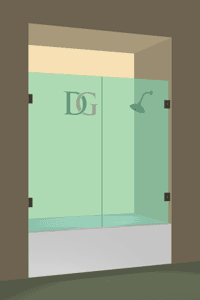
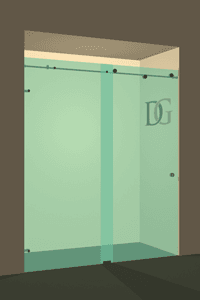
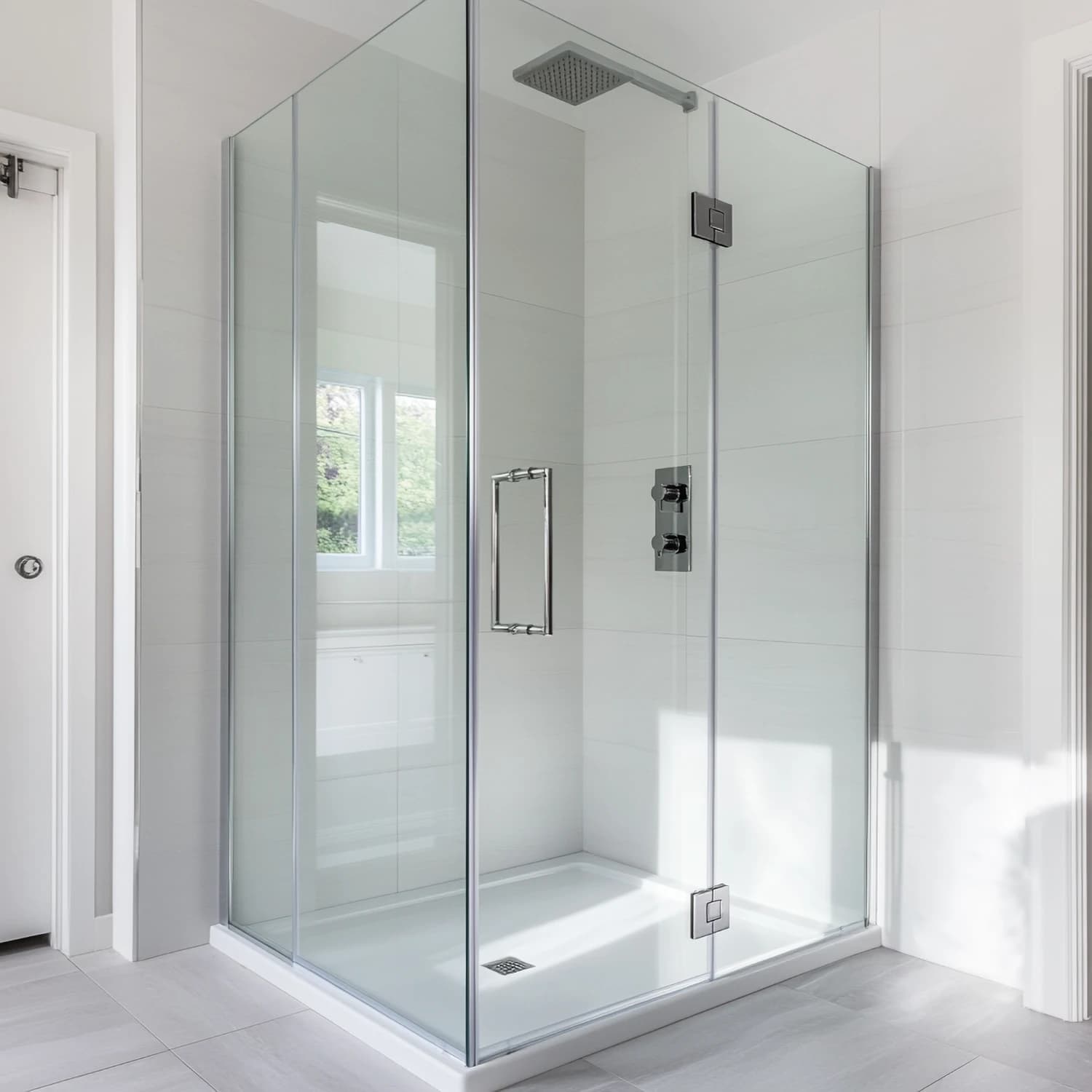
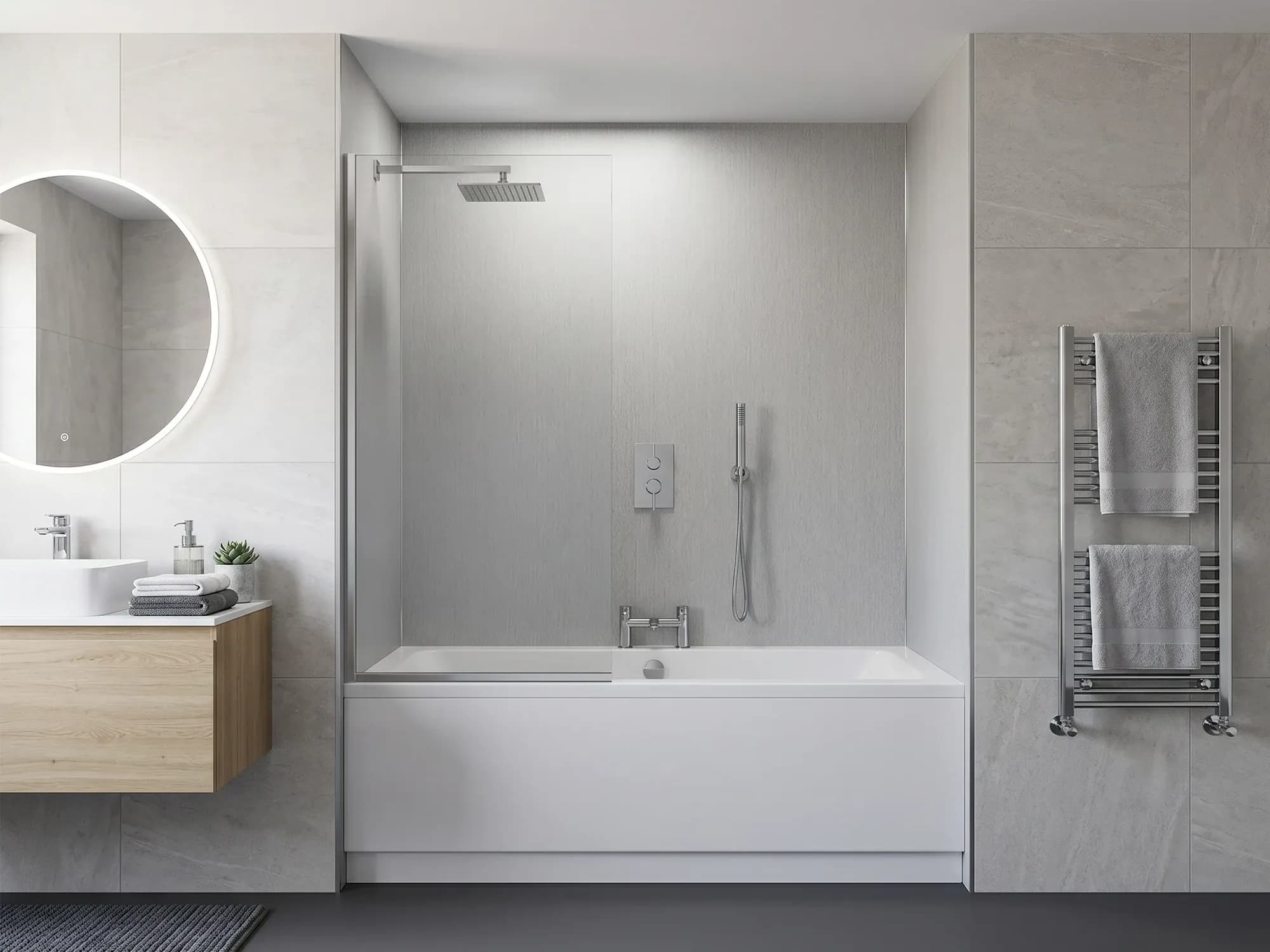
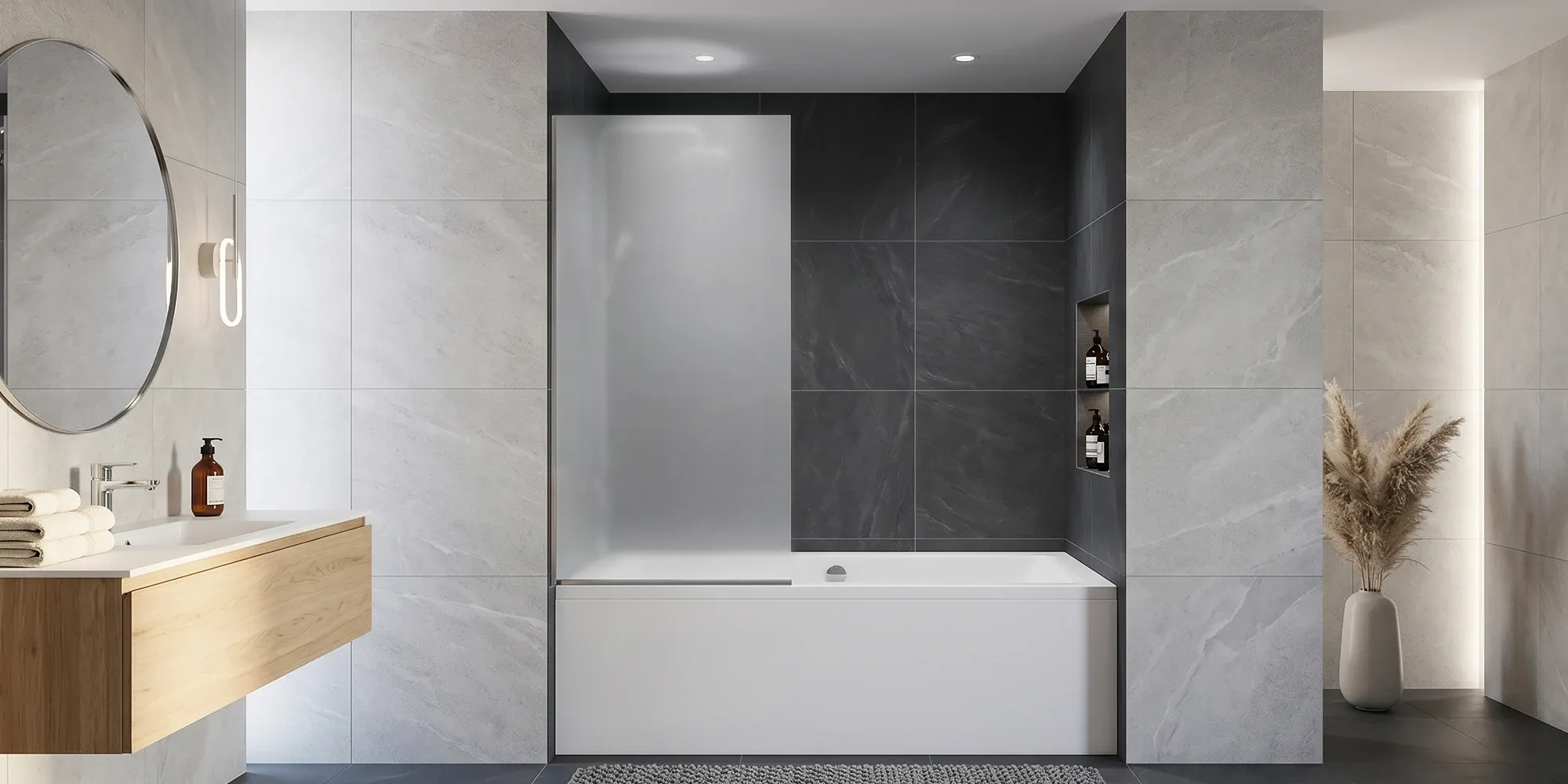
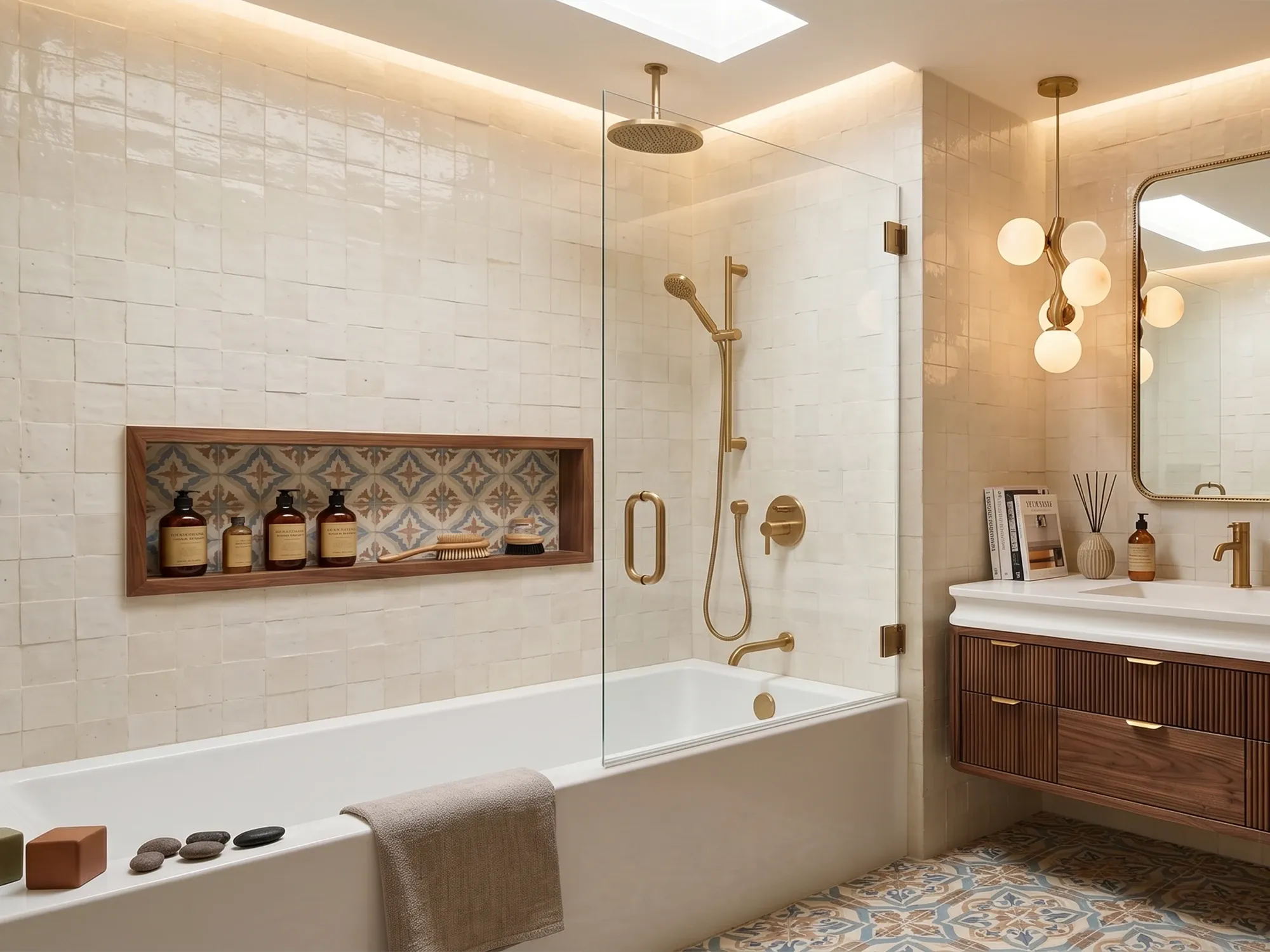
Before ordering a bathtub glass door or shower screen, capture five measurements: opening width, panel height, wall plumb, tub edge level, and wall type.
Reviewed by John Flouhouse, Installation Team Lead at Dulles Glass
Before ordering a bathtub glass door or screen, take a few careful measurements so your glass fits properly on installation day. Tub-shower openings are rarely perfectly square, so checking the width, height, wall plumb, tub level, and wall type helps prevent gaps, stress on the glass, and hardware issues.
Whether you're ordering a DIY kit or planning a custom panel, the same measurements apply. If you'd rather not measure yourself, the shower buying guide and a Dulles Glass in-home measurement can take it from here.
Because bathtub glass is tempered after fabrication, it cannot be trimmed later. Accurate measurements help prevent delays, gaps, and hardware fit issues.
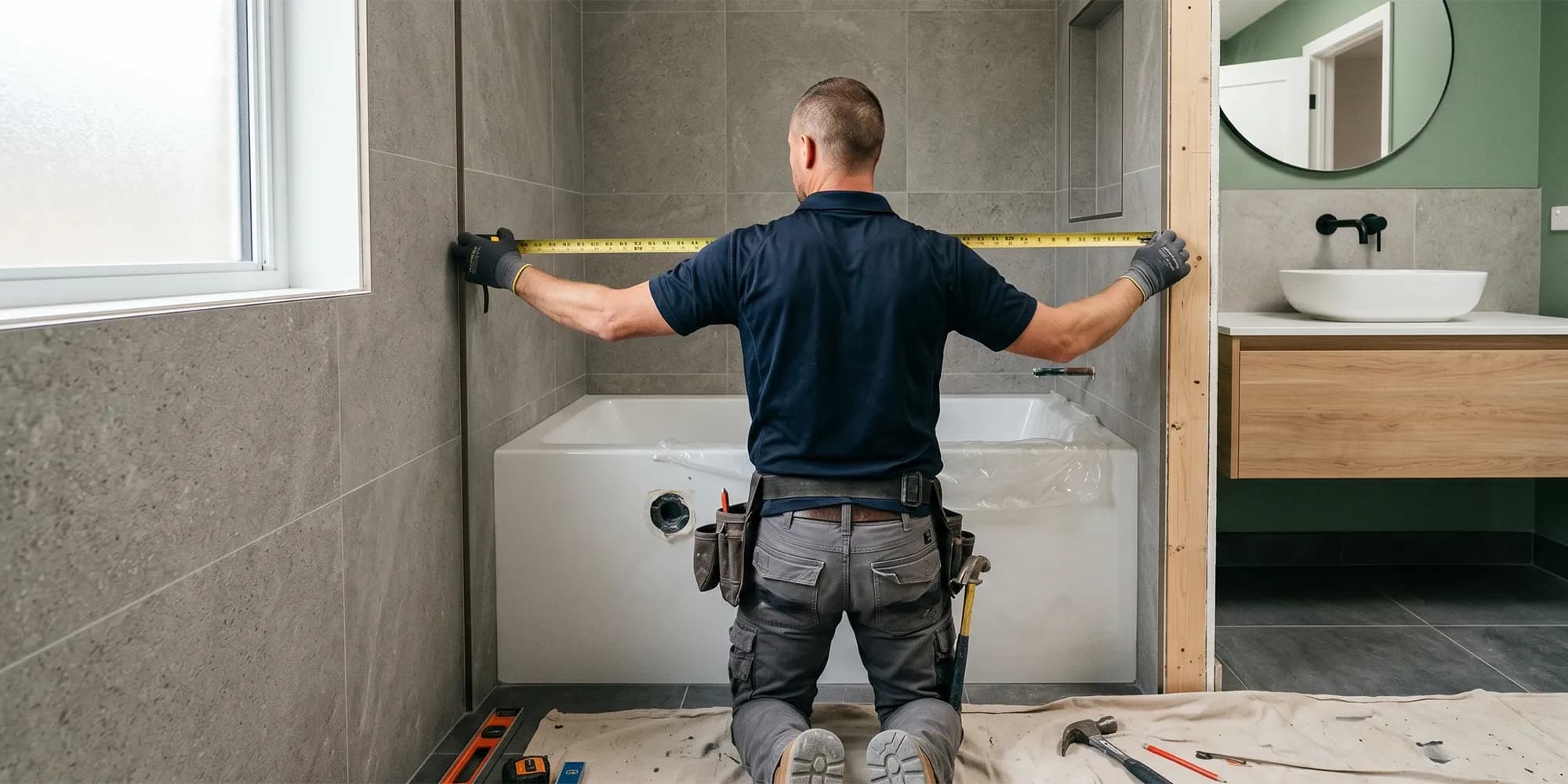
The five measurements to capture before ordering a bathtub glass door or screen.
Key Takeaways
- Measure opening width at three heights — top, middle, bottom. The smallest controls the order.
- Measure panel height from the tub edge to the planned top of the glass (usually 56-60 inches).
- Check wall plumb on the anchor side with a 4-foot level.
- Confirm tub edge level where the panel will sit.
- Identify wall type — tile, acrylic, or fiberglass — for the right anchor hardware.
Tools You Need
- Steel tape measure — 12-foot minimum, retractable. Avoid soft cloth tapes; they stretch.
- 4-foot level — needed for both wall plumb and tub edge checks. A 2-foot level is too short.
- Pencil and notepad — write each measurement down. Don't trust memory.
- Phone — photograph the opening from multiple angles.
- A helper if the tub is wider than 60 inches.
Step 1: Measure Opening Width at Three Heights
Tub-shower combo walls are almost never identical top to bottom. The bathtub door has to fit the tightest point of the opening.
Measure the inside wall-to-wall width:
- At the top — just below the ceiling, or about 4 inches below the planned top of the panel.
- At the middle — about 36 inches above the tub edge.
- At the bottom — just above the tub edge.
Write down all three. The smallest reading is the one that determines what panel width fits.
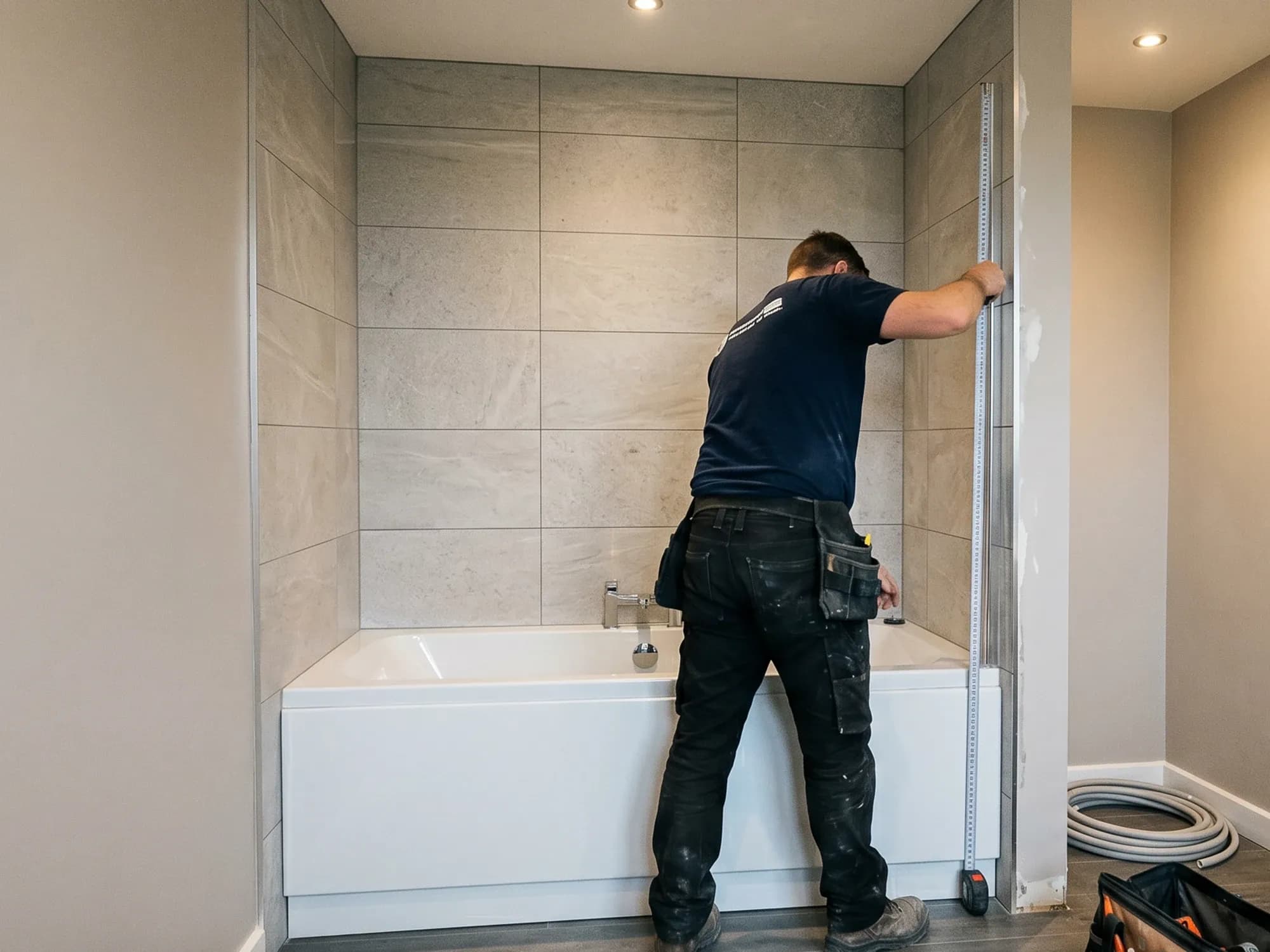
Measure the opening width at three heights — top, middle, and bottom.
Dulles Glass can help
If your measurements vary more than expected, Dulles Glass can help you choose the right bathtub glass door, screen, or custom shower configuration. Request a quote to get started.
The three-width rule
If the three readings differ by more than 1/2 inch, the walls are far enough out of plumb that a stock kit may not fit cleanly. Call before ordering or order custom — the supplier can recommend a configuration that handles the variance.
Step 2: Measure Panel Height
The panel runs from the tub edge up to a height somewhere between 56 and 60 inches. Measure:
- From the top of the tub edge straight up to the planned top of the glass.
- Repeat near the other end of the panel location if the tub edge isn't level (it often isn't).
For most tub-shower combos, plan on 58-60 inches. Lower panels (54 inches) are used in tub-only screens; taller panels (60-72 inches) are used when the panel doubles as a partial shower enclosure.
Step 3: Check Wall Plumb on the Anchor Side
The panel anchors into the wall on one side. That wall has to be plumb (vertical) within tolerance for the panel to seat correctly.
Hold a 4-foot level vertically against the wall where the panel will clamp. The bubble should be centered. Note which way the wall leans and roughly how much.
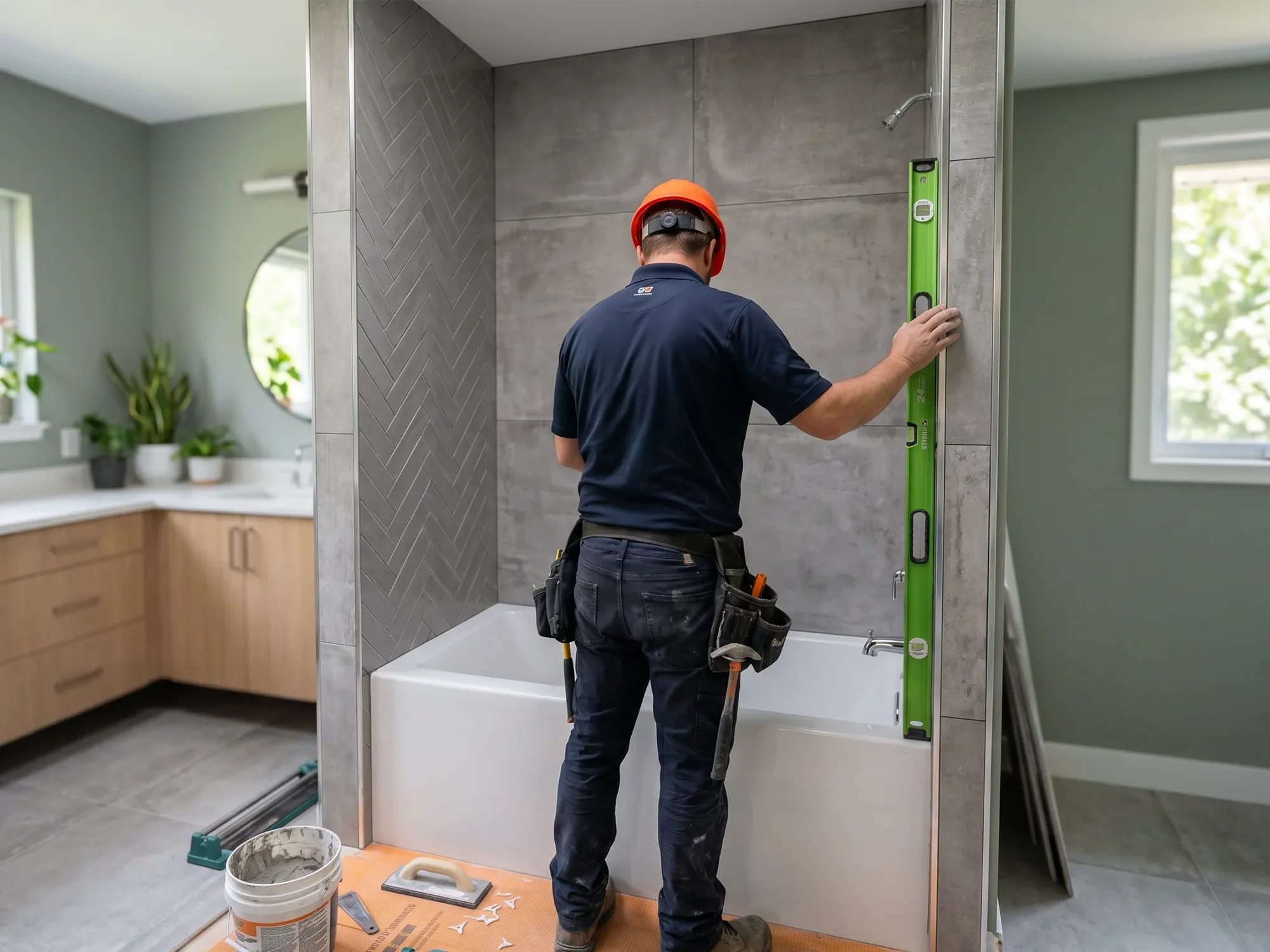
Check wall plumb with a 4-foot level on the wall where the panel will anchor.
| Wall plumb | Fit notes |
|---|---|
| Within 1/8" over 72" | Usually suitable for standard DIY configurations |
| 1/8" to 1/4" over 72" | Most kits fit with extra shimming or silicone |
| Over 1/4" over 72" | Custom configuration recommended |
Step 4: Check Tub Edge Level
The panel base seats on the tub edge or just above it. If the tub edge isn't level — common on older alcove tubs that settled into the framing — the panel will sit off-level too.
Lay the 4-foot level across the tub edge where the panel will sit. Note any deviation from level. Small deviations (1/8" or less) are normal; bigger deviations need to be flagged before ordering.
Step 5: Identify Wall Type
The anchor hardware depends on what's behind the surface:
- Tile over cement board — the strongest mount. Standard wall anchor into a stud or solid blocking.
- Acrylic or fiberglass surround — substrate is flexible. Needs hollow-wall-rated toggle bolts or substrate-specific anchors. Standard drywall anchors will crack the surround.
- Drywall (uncommon) — toggle bolt or stud anchor; verify waterproofing.
To identify: tap the wall behind the planned anchor location. Tile over cement board sounds solid. Acrylic and fiberglass sound hollow. The difference matters because the wrong anchor can crack the surround, loosen over time, or prevent the panel from seating securely.
Common Bathtub Door Measurement Mistakes
Avoid these
- Measuring at only one height. Walls are rarely parallel; you need the smallest reading.
- Using a soft cloth tape measure. They stretch under tension and read low by 1/4 inch on a wide opening.
- Forgetting to measure the existing tub door or curtain rod's footprint. The new glass mounts in approximately the same plane but not identical.
- Not identifying wall type. Ordering for tile when the wall is acrylic is the most common cause of cracked surrounds.
- Rounding the readings. Note exact dimensions to the nearest 1/16 inch.
When to Order Custom Instead
A stock DIY kit works well when the opening is close to square. Lean toward custom-fabricated glass when:
- The three width readings differ by more than 1/2 inch.
- The anchor wall is noticeably out of plumb.
- The tub edge is well off level.
- The opening doesn't match a standard kit size.
Dulles Glass fabricates custom bathtub glass doors and screens, frameless shower doors, and custom shower doors, with professional installation. A custom panel is cut to your exact opening, so out-of-plumb walls and uneven tub edges are accounted for before the tempered glass is made.
Need Help Measuring Your Tub?
If the readings come out unusual or the walls are visibly out of plumb, the safer call is a custom in-home measurement. Dulles Glass offers free in-home measurements for custom bathtub glass installs.
Explore our bathtub enclosures, doors, and screens, custom shower doors, and professional installation — or request a quote with your measurements.
Frequently Asked Questions
What measurements do I need for a DIY bathtub glass door?
Opening width at the top, middle, and bottom; panel height from tub edge to planned top of glass; wall plumb on the anchor side; tub edge level; and wall type (tile, acrylic, or fiberglass).
How accurate do bathtub glass door measurements need to be?
To the nearest 1/16 inch for width. To the nearest 1/8 inch for height. Don't round — suppliers prefer over-reported precision and will adjust on their end if needed.
What if my tub-shower walls aren't plumb?
Walls within 1/8 inch over 72 inches are standard. 1/8 to 1/4 inch usually fits with shimming. Beyond 1/4 inch over 72 inches, call before ordering — a custom configuration may be a better fit.
Do I need to remove the existing curtain rod or sliding door before measuring?
For sliding doors, yes — the frame changes the inside opening dimensions. For curtain rods, no — the rod doesn't affect the inside measurements.
Can I measure for a bathtub glass door without a level?
No. The level is what tells you whether the walls are plumb and the tub edge is even. Both are critical for the panel to seat properly. A 4-foot level is inexpensive at any hardware store.
Can Dulles Glass measure and install my bathtub glass door?
Yes. Dulles Glass offers in-home measurement and professional installation for bathtub glass doors and screens, with the glass custom-fabricated.
Want a free professional measurement instead?
Dulles Glass offers free in-home measurements for custom bathtub glass. Send your tub photos and we'll book a measurement appointment.
Why choose Dulles Glass
54+
Years Glass expertise
10,000+
Projects Measured and installed Yearly
3-Year Warranty
On custom installations
4.9/5 Rating
Customer Reviewed
Ready to start your glass project?
Tell us what you are planning and our glass experts will help you find the right solution.